
McGill University for International Students: The 2026 Admissions, Fees & Quebec Policy Guide
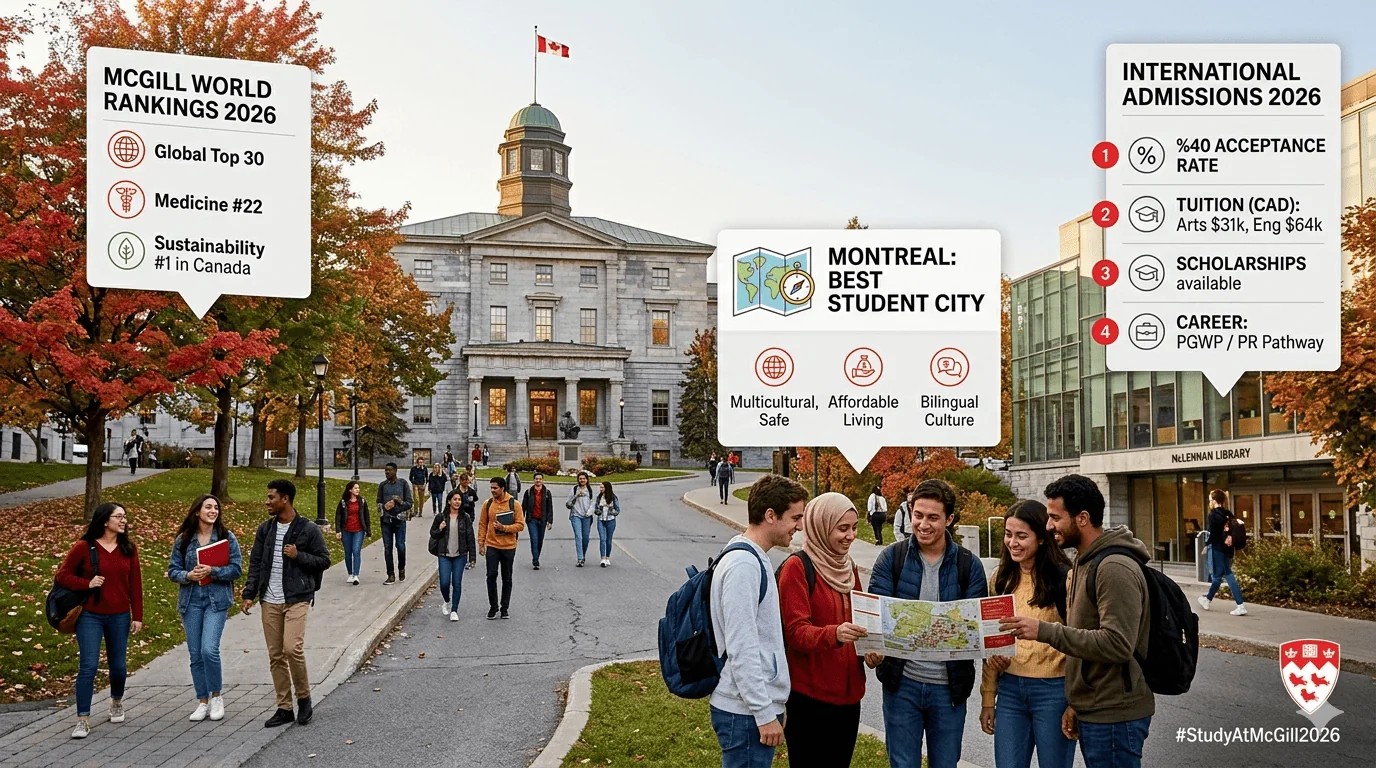
Consistently ranked among the world's premier research universities, McGill University in Montreal, Quebec, commands an elite global reputation. With a historic downtown campus situated at the foot of Mount Royal, McGill attracts high-achieving scholars from more than 150 countries, with international students comprising roughly 30% of the total student body.
However, prospective international and non-Quebec Canadian applicants must navigate a rapidly evolving regulatory and financial landscape. Between recent provincial tuition policy shifts, compulsory French language proficiency benchmarks, and Quebec’s two-tier immigration process (CAQ plus Federal Study Permit), applying to McGill requires precise strategic planning.
This definitive admissions guide delivers verified tuition schedules, realistic faculty-specific grade cutoffs, immigration compliance workflows, and practical campus living insights.
McGill University at a Glance
| Institutional Metric | Details / Specification |
|---|---|
| Institution Type | Public Research University (Member of the U15 Group) |
| Location | Montreal, Quebec, Canada (Downtown Campus & Macdonald Campus) |
| Total Enrollment | ~39,000 students (Undergraduate & Graduate) |
| Language of Instruction | English (Set within a predominantly French-speaking province) |
| Designated Learning Institution (DLI) | # O19359011033 (Eligible for Post-Graduation Work Permit) |
| Primary Academic Faculties | Arts, Science, Engineering, Desautels Faculty of Management, Medicine and Health Sciences |
The Quebec Regulatory Shift: What Every Applicant Must Know
Unlike applying to universities in Ontario or British Columbia, enrolling at McGill involves unique provincial legalities governed by the Government of Quebec:
1. The Two-Step Visa Authorization: CAQ + Study Permit
Before submitting an application for a Canadian Study Permit to Immigration, Refugees and Citizenship Canada (IRCC), international students destined for McGill must first obtain a Certificat d'acceptation du Québec (CAQ) issued by the Ministère de l’Immigration, de la Francisation et de l’Intégration (MIFI). Only after receiving the official CAQ issuance letter can candidates lodge their federal study permit file alongside the requisite Provincial Attestation Letter (PAL) framework.
2. French Language Integration Directives
While primary classroom instruction at McGill remains entirely in English (with students retaining the statutory right to submit term papers and exams in French), provincial directives encourage undergraduate degree seekers to attain conversational French proficiency (Level 5 / intermediate B2) prior to graduation. McGill has integrated comprehensive, subsidized French language modules into undergraduate degree scheduling to facilitate seamless regional integration.
Annual Tuition & True Cost of Attendance Breakdown
Tuition fees at McGill vary significantly depending on residency status and academic faculty. Laboratory-intensive programs (such as Engineering and Bioresource Technology) and professional tracks (such as the BCom at the Desautels Faculty of Management) command higher deregulated rates for international applicants:
| Program / Faculty Stream | Quebec Resident (CAD) | Non-Quebec Canadian (CAD) | International Student (CAD) |
|---|---|---|---|
| Faculty of Arts | ~$3,800 | ~$10,500 – $12,000 | $28,500 – $34,000 |
| Faculty of Science | ~$3,800 | ~$10,500 – $12,000 | $37,000 – $44,000 |
| Faculty of Engineering | ~$3,800 | ~$10,500 – $12,000 | $52,000 – $61,000 |
| Desautels Faculty of Management (BCom) | ~$3,800 | ~$10,500 – $12,000 | $64,000 – $71,000 |
| Mandatory International Health Insurance (IHI) | N/A (RAMQ) | N/A (Provincial) | $1,200 – $1,500 (Compulsory) |
Academic Admissions Standards: Cutoffs & Competitive Baselines
McGill evaluates undergraduate applicants almost purely on academic merit, prioritizing raw grades, class rank, and prerequisite course rigor over subjective personal essays or extracurricular resumes (outside of specific programs like Architecture or Education):
| Educational Curriculum | General Competitive Minimum | Prerequisite & Faculty Expectations |
|---|---|---|
| US High School Diploma | Unweighted GPA 3.8+ / 4.0 | Test-optional for general admission, but submitting competitive SAT (1380+) or ACT (31+) scores strengthens out-of-region applications. |
| International Baccalaureate (IB) | 34 to 38+ predicted points | No individual subject grade below 5; HL Mathematics mandatory for Engineering and Management. |
| British A-Levels | Minimum AAA to A*AA | At least three full A-Level subjects; specific prerequisite Sciences/Maths must carry top grades. |
| Indian CBSE / CISCE Board | 88% to 95%+ overall average | Evaluated on Class 10 and Class 12 board marks with strict emphasis on core STEM prerequisites. |
Living in Montreal: Student Life & Housing Logistics
Montreal is consistently rated as one of the world's best student cities, balancing rich bilingual culture, vibrant arts scenes, and relative housing affordability compared to Toronto or Vancouver:
1. Campus Footprint: Downtown vs. Macdonald
- Downtown Campus: Located in the heart of metropolitan Montreal, offering immediate walking access to the Underground City, transit stations (Peel and McGill metro stops), and the adjacent "McGill Ghetto" (Milton-Parc) student residential neighborhood.
- Macdonald Campus: Situated in Sainte-Anne-de-Bellevue on the western tip of Montreal Island, housing the Faculty of Agricultural and Environmental Sciences. Connected to the downtown campus via free shuttle buses for registered students.
2. Realistic Cost of Living Projections
- Shared Off-Campus Housing: Expect to budget CAD $650 to $1050 monthly per room in shared student apartments around Milton-Parc, Plateau-Mont-Royal, or Mile End.
- Public Transit (STM): Students enjoy subsidized monthly Opus transit passes (approx. CAD $60/month), granting unlimited metro and bus travel across the island.
- Groceries & Personal: Budget approximately CAD $350 to $500 monthly for groceries and local amenities.
Scholarships & Financial Aid Mechanisms
McGill provides substantial financial awards to ease tuition commitments for international scholars:
- Major Entrance Scholarships: Centrally administered merit-based awards ranging from $3,000 to $12,000 annually, renewable for up to four academic years. Requires a separate scholarship application submitted immediately following the admissions portal launch.
- Basic Entrance Awards: Non-renewable one-year merit discounts (typically $3,000) automatically awarded to incoming freshmen based purely on top-percentile high school transcripts.
- Need-Based In-Course Bursaries: Available to returning students who encounter sudden, unforeseen financial hardships after completing their first full academic year in good standing.
Frequently Asked Questions
Do I need to speak fluent French to be admitted to McGill?
No. Admission is based on academic merit and English proficiency. You do not need to know French to receive an offer of admission or to complete coursework in English. However, acquiring foundational French enhances daily life in Montreal and expands off-campus student employment options.
Are McGill graduates eligible for the Canadian PGWP?
Yes. McGill is an accredited, degree-granting public university. International graduates from full-time undergraduate and graduate programs qualify for standard Post-Graduation Work Permits (PGWP) of up to 3 years under IRCC guidelines.
Can international students work off-campus while studying at McGill?
Yes. Students holding a valid study permit with off-campus work authorization can legally work up to 24 hours per week during regular academic terms and full-time during scheduled institutional breaks. However, off-campus public-facing jobs in Montreal often require basic functional French conversational skills.
Editorial Standards & Regulatory Sources: Information in this guide is derived directly from the McGill University Admissions Office, the Ministère de l’Immigration, de la Francisation et de l’Intégration (MIFI), and statutory directives from Immigration, Refugees and Citizenship Canada (IRCC).

Saahil
Saahil is an education researcher and content creator specializing in university rankings, admissions strategies, and student guides. He is dedicated to helping students make informed academic decisions.
Continue your research
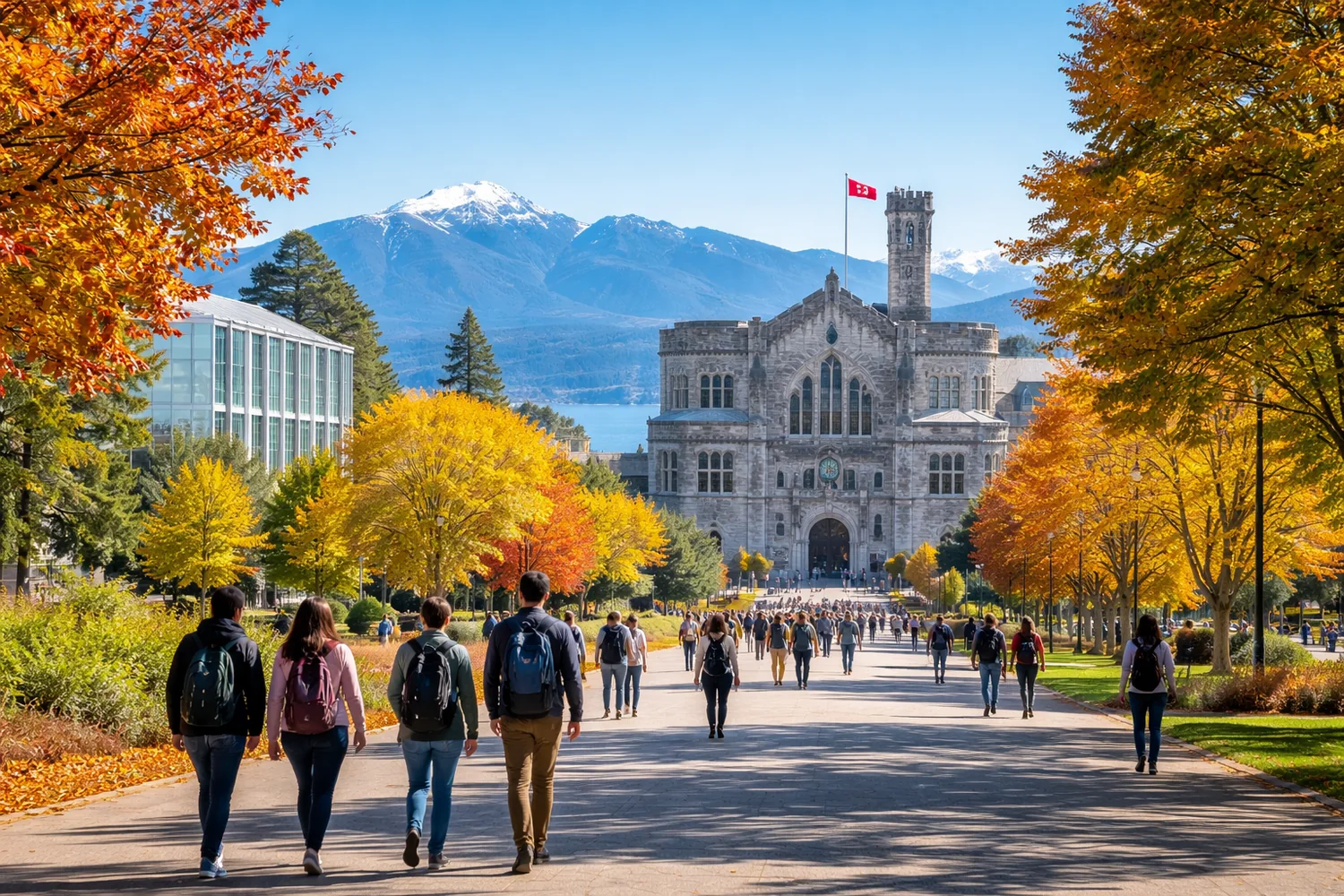
University of British Columbia Admissions 2026: The Comprehensive Guide for International Students
The University of British Columbia (UBC) is consistently ranked among the top 3 universities in Canada and the top 40 globally.
Read the guide →Frequently Asked Questions About McGill University
Do I need to speak French to attend McGill?
No. McGill is an English-language university located in the heart of Montreal, Quebec (a predominantly French-speaking province). All classes, exams, and university services are conducted in English. However, learning conversational French is highly recommended to fully enjoy Montreal and to secure off-campus internships.
Why is McGill's tuition different for different students?
McGill has a complex, three-tiered tuition structure based on residency. Quebec residents pay the lowest fees, out-of-province Canadian citizens pay higher fees, and international students pay deregulated international tuition. Recent provincial government changes have increased fees for out-of-province Canadians, but international fees remain competitive compared to US private universities.
How does the admissions cutoff work?
McGill admissions are notoriously transparent and strictly numbers-based. The university publishes historical minimum grade cutoffs (e.g., specific high school GPAs or IB scores) required for admission into each specific faculty. If you exceed the published cutoff, you are generally guaranteed admission; if you fall below it, you will likely be rejected.
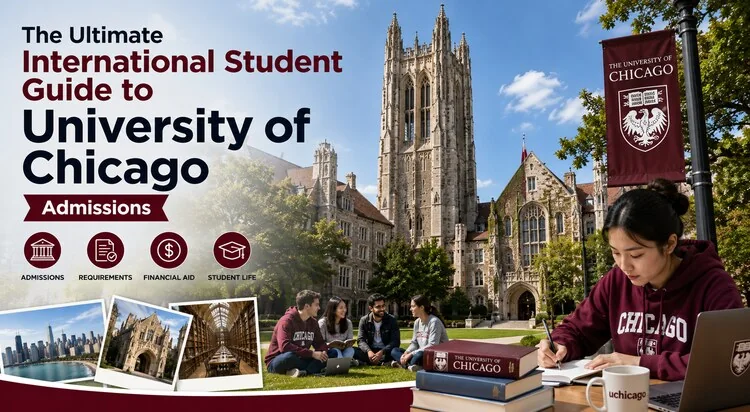
The Comprehensive International Student Guide to University of Chicago Admissions
Discover everything about the University of Chicago—admissions requirements, tuition fees, academic programs, campus life.
Read the guide →Frequently Asked Questions About McGill University
Do I need to speak French to attend McGill?
No. McGill is an English-language university located in the heart of Montreal, Quebec (a predominantly French-speaking province). All classes, exams, and university services are conducted in English. However, learning conversational French is highly recommended to fully enjoy Montreal and to secure off-campus internships.
Why is McGill's tuition different for different students?
McGill has a complex, three-tiered tuition structure based on residency. Quebec residents pay the lowest fees, out-of-province Canadian citizens pay higher fees, and international students pay deregulated international tuition. Recent provincial government changes have increased fees for out-of-province Canadians, but international fees remain competitive compared to US private universities.
How does the admissions cutoff work?
McGill admissions are notoriously transparent and strictly numbers-based. The university publishes historical minimum grade cutoffs (e.g., specific high school GPAs or IB scores) required for admission into each specific faculty. If you exceed the published cutoff, you are generally guaranteed admission; if you fall below it, you will likely be rejected.
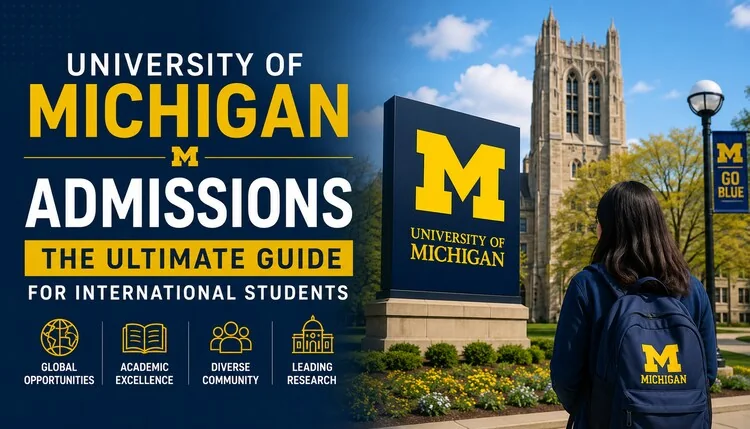
University of Michigan Admissions 2026: The Comprehensive Guide for International Students
Discover everything about the University of Michigan—rankings, acceptance rate, tuition fees for international students, top programs, campus life.
Read the guide →Frequently Asked Questions About McGill University
Do I need to speak French to attend McGill?
No. McGill is an English-language university located in the heart of Montreal, Quebec (a predominantly French-speaking province). All classes, exams, and university services are conducted in English. However, learning conversational French is highly recommended to fully enjoy Montreal and to secure off-campus internships.
Why is McGill's tuition different for different students?
McGill has a complex, three-tiered tuition structure based on residency. Quebec residents pay the lowest fees, out-of-province Canadian citizens pay higher fees, and international students pay deregulated international tuition. Recent provincial government changes have increased fees for out-of-province Canadians, but international fees remain competitive compared to US private universities.
How does the admissions cutoff work?
McGill admissions are notoriously transparent and strictly numbers-based. The university publishes historical minimum grade cutoffs (e.g., specific high school GPAs or IB scores) required for admission into each specific faculty. If you exceed the published cutoff, you are generally guaranteed admission; if you fall below it, you will likely be rejected.
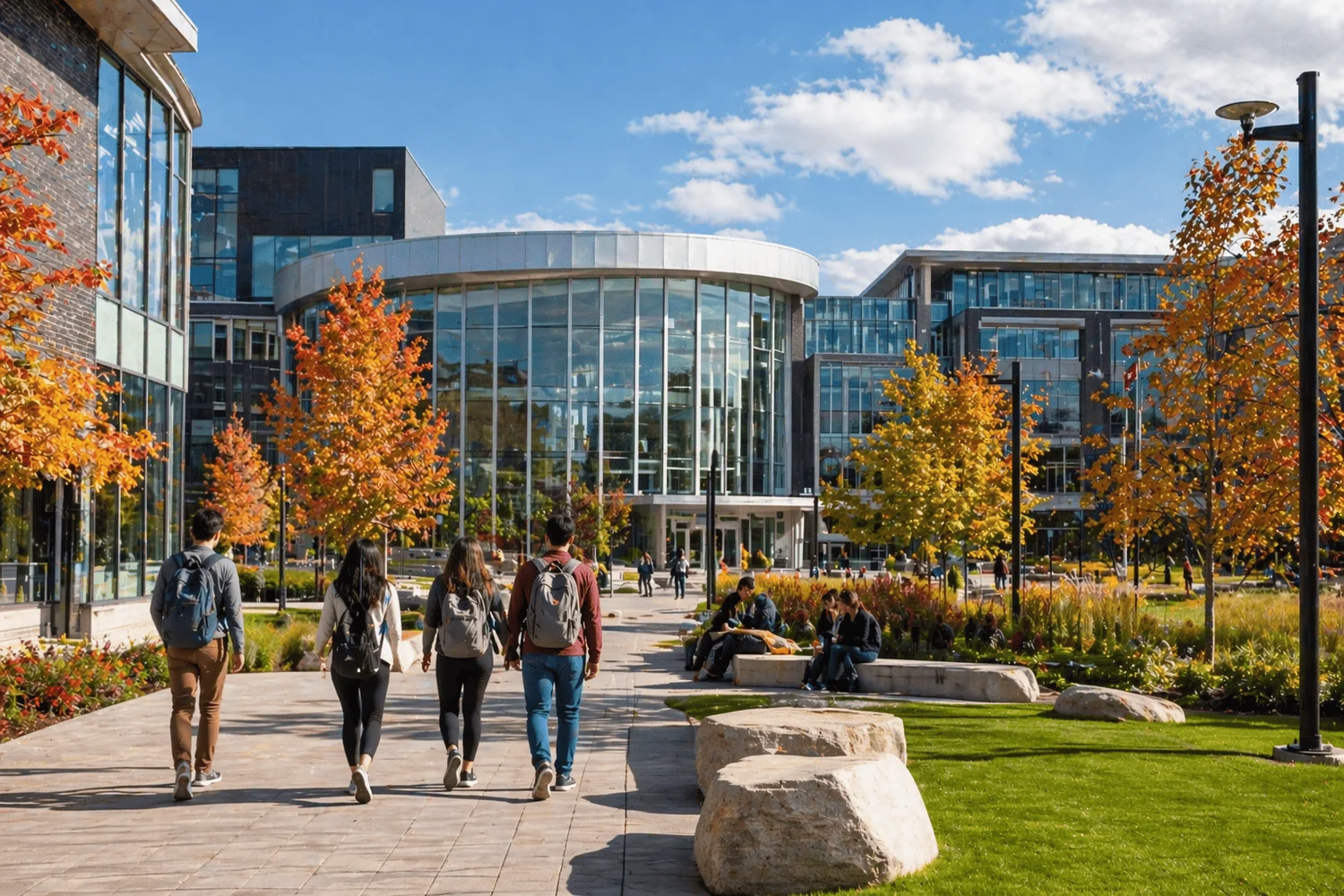
Algoma University for International Students: Admissions, Fees, Courses & Visa Guide
Choosing the right university in Canada is a crucial decision for international students.
Read the guide →Frequently Asked Questions About McGill University
Do I need to speak French to attend McGill?
No. McGill is an English-language university located in the heart of Montreal, Quebec (a predominantly French-speaking province). All classes, exams, and university services are conducted in English. However, learning conversational French is highly recommended to fully enjoy Montreal and to secure off-campus internships.
Why is McGill's tuition different for different students?
McGill has a complex, three-tiered tuition structure based on residency. Quebec residents pay the lowest fees, out-of-province Canadian citizens pay higher fees, and international students pay deregulated international tuition. Recent provincial government changes have increased fees for out-of-province Canadians, but international fees remain competitive compared to US private universities.
How does the admissions cutoff work?
McGill admissions are notoriously transparent and strictly numbers-based. The university publishes historical minimum grade cutoffs (e.g., specific high school GPAs or IB scores) required for admission into each specific faculty. If you exceed the published cutoff, you are generally guaranteed admission; if you fall below it, you will likely be rejected.
Frequently Asked Questions About McGill University
Do I need to speak French to attend McGill?
No. McGill is an English-language university located in the heart of Montreal, Quebec (a predominantly French-speaking province). All classes, exams, and university services are conducted in English. However, learning conversational French is highly recommended to fully enjoy Montreal and to secure off-campus internships.
Why is McGill's tuition different for different students?
McGill has a complex, three-tiered tuition structure based on residency. Quebec residents pay the lowest fees, out-of-province Canadian citizens pay higher fees, and international students pay deregulated international tuition. Recent provincial government changes have increased fees for out-of-province Canadians, but international fees remain competitive compared to US private universities.
How does the admissions cutoff work?
McGill admissions are notoriously transparent and strictly numbers-based. The university publishes historical minimum grade cutoffs (e.g., specific high school GPAs or IB scores) required for admission into each specific faculty. If you exceed the published cutoff, you are generally guaranteed admission; if you fall below it, you will likely be rejected.