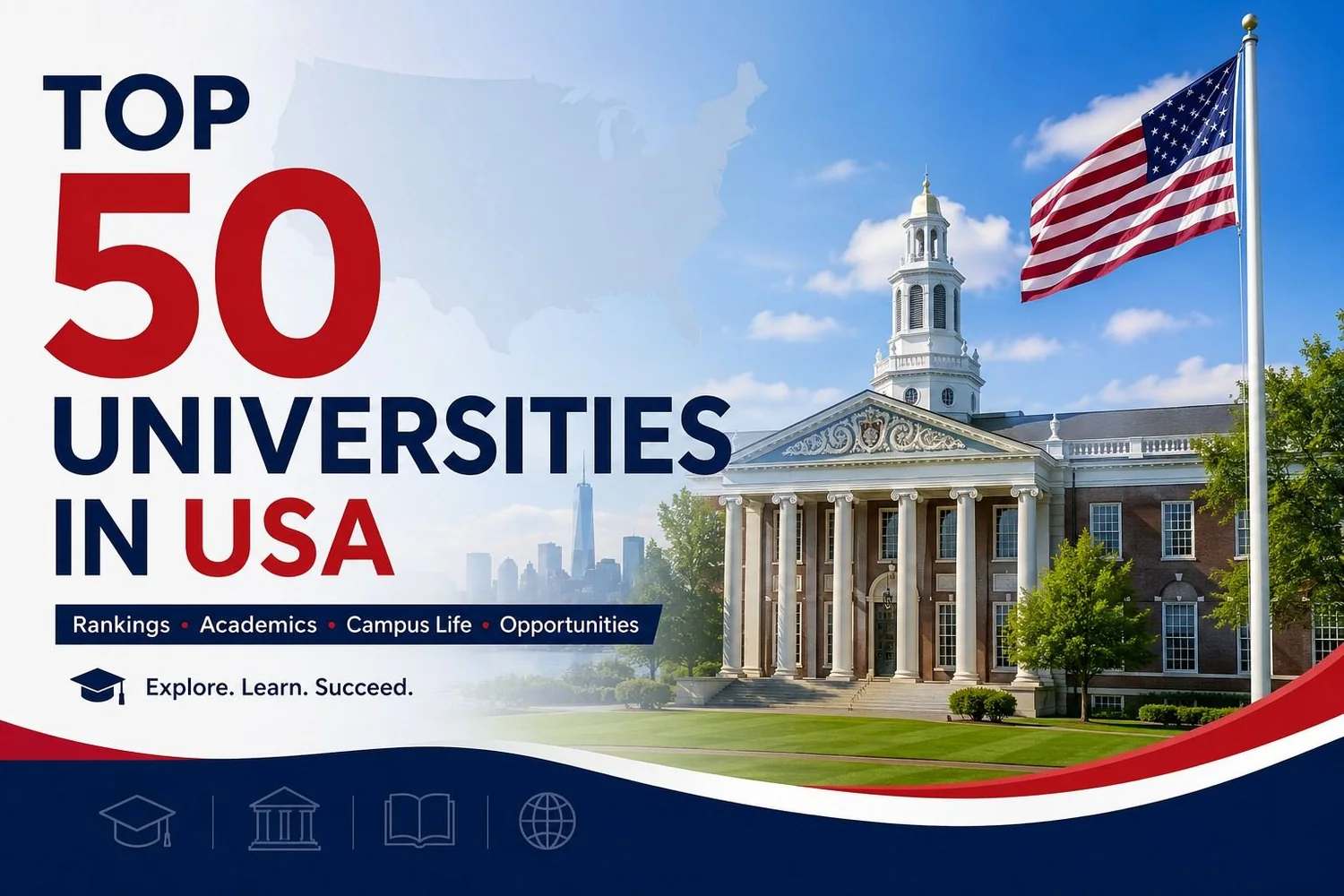
Top 50 universities in the USA (2026) — This editorial guide presents a curated look at the top 50 institutions in the United States, designed specifically for prospective undergraduate and international applicants navigating the complex admissions landscape.
Our "Top 50" list aggregates and contextualizes data from major educational indices to provide a clear, actionable overview. Please note: This is an independent research guide compiled by Top Schools Rankings, not an official ranking published by any university, government body, or external organization like U.S. News or QS.
Whether you're looking for highly regarded engineering, generous financial aid, or Ivy League prestige, this guide breaks down the essential metrics, methodologies, and considerations you need to build your college shortlist.
Ranking Methodology
At Top Schools Rankings, our editorial methodology focuses on translating vast amounts of educational data into practical insights. For this guide, we reference recognized external rankings—such as the U.S. News & World Report Best National Universities (2026 edition)—as foundational source information.
What factors are considered:
- External Benchmarks: We use indices like U.S. News to establish a baseline of academic reputation, graduation rates, and faculty resources.
- Information Interpretation: We do not invent our own scoring formulas. Instead, we interpret these established rankings by providing context on tuition costs, admission competitiveness, and institutional strengths (e.g., engineering vs. liberal arts).
- Reference Sources: Rankings from U.S. News, QS, and Niche act as reference material to help categorize schools, rather than serving as absolute, unquestionable authorities.
- Important Limitations: No ranking can measure personal fit, campus culture, or specific departmental excellence perfectly. Ties in referenced rankings mean multiple schools share the same position.
For more details on our independent approach, visit our Ranking Methodology page.
What changed in the 2026 top 50?
| School | 2026 rank | 2025 rank | Takeaway |
|---|---|---|---|
| University of Chicago | #6 | #11 | Biggest climber in the elite tier (+5 places) |
| Caltech | #11 | #6 | Dropped 5 spots — still elite for STEM, smaller cohort |
| Yale | #4 (tie) | #5 | Now tied with Stanford at #4 |
| UPenn | #7 (tie) | #10 | Joined the four-way tie at #7 |
| Northeastern | #46 (tie) | #54 | New entrant to the top 50 (+8 places) |
| Wake Forest | Outside top 50 | #46 | Dropped out of the top 50 in 2026 |
| UIUC | #36 (tie) | #33 | Still a global engineering powerhouse despite −3 |
Key Highlights Among the Top 50
Before diving into the full list, it's helpful to understand the landscape of America's most prominent universities. The institutions at the very top—often referred to as the Ivy Plus—consistently lead due to massive endowments, low student-to-faculty ratios, and global research output.
- The Ivy League: All eight Ivy League schools remain firmly within the top 20. Schools like Princeton, Harvard, and Yale continue to dominate, offering unparalleled alumni networks and generous financial aid, with policies that are need-blind even for international students.
- STEM Powerhouses: MIT and Caltech are globally recognized for engineering and physical sciences, operating with highly selective, smaller cohorts.
- Public Flagships: Institutions like the University of California, Berkeley, and the University of Michigan offer massive research opportunities and diverse academic programs, often at a lower out-of-state tuition rate compared to the sticker price of private peers.
Top 50 Universities in USA — Full 2026 List
This table outlines the top 50 universities, highlighting their type, location, and standout strengths. Ties are preserved as they appear in consensus reporting.
| Rank | University | State | Type | Known for |
|---|---|---|---|---|
| 1 | Princeton University | NJ | Private | #1 streak, undergrad focus, generous aid |
| 2 | Massachusetts Institute of Technology (MIT) | MA | Private | Engineering, CS, physics, startups |
| 3 | Harvard University | MA | Private | Law, medicine, business, global brand |
| 4 (tie) | Stanford University | CA | Private | Silicon Valley, CS, entrepreneurship |
| 4 (tie) | Yale University | CT | Private | Humanities, law, residential colleges |
| 6 | University of Chicago | IL | Private | Economics, rigorous Core curriculum |
| 7 (tie) | Duke University | NC | Private | Pre-med, research, basketball culture |
| 7 (tie) | Johns Hopkins University | MD | Private | Medicine, public health, research |
| 7 (tie) | Northwestern University | IL | Private | Journalism, theatre, Kellogg MBA path |
| 7 (tie) | University of Pennsylvania | PA | Private | Wharton finance, nursing, urban campus |
| 11 | California Institute of Technology (Caltech) | CA | Private | Small STEM powerhouse, NASA ties |
| 12 | Cornell University | NY | Private | Largest Ivy, hotel admin, engineering |
| 13 (tie) | Brown University | RI | Private | Open Curriculum, flexible majors |
| 13 (tie) | Dartmouth College | NH | Private | Undergrad teaching, Tuck MBA |
| 15 (tie) | Columbia University | NY | Private | Core Curriculum, NYC internships |
| 15 (tie) | University of California, Berkeley | CA | Public | Top public research, CS, business |
| 17 (tie) | Rice University | TX | Private | Small classes, Houston energy hub |
| 17 (tie) | University of California, Los Angeles (UCLA) | CA | Public | Film, athletics, West Coast lifestyle |
| 17 (tie) | Vanderbilt University | TN | Private | Education, music, Southern campus |
| 20 (tie) | Carnegie Mellon University | PA | Private | CS (#1 reputation), robotics, drama |
| 20 (tie) | University of Michigan–Ann Arbor | MI | Public | Business, engineering, Big Ten sports |
| 20 (tie) | University of Notre Dame | IN | Private | Business, alumni network, campus tradition |
| 20 (tie) | Washington University in St. Louis | MO | Private | Pre-med, strong aid, Midwest gem |
| 24 (tie) | Emory University | GA | Private | CDC proximity, pre-med, Atlanta |
| 24 (tie) | Georgetown University | DC | Private | Foreign service, law, politics |
| 26 (tie) | University of North Carolina at Chapel Hill | NC | Public | Public ivy, journalism, value |
| 26 (tie) | University of Virginia | VA | Public | Historic campus, McIntire business |
| 28 | University of Southern California (USC) | CA | Private | Film, gaming, large international body |
| 29 | University of California San Diego (UCSD) | CA | Public | Biology, ocean science, La Jolla |
| 30 (tie) | University of Florida | FL | Public | Strong value, growing research |
| 30 (tie) | University of Texas at Austin | TX | Public | CS, business, Texas tech scene |
| 32 (tie) | Georgia Institute of Technology | GA | Public | Engineering, co-op jobs, Atlanta |
| 32 (tie) | New York University (NYU) | NY | Private | Global campuses, arts, Stern business |
| 32 (tie) | University of California, Davis | CA | Public | Agriculture, vet medicine, college town |
| 32 (tie) | University of California, Irvine | CA | Public | CS, gaming, diverse Orange County |
| 36 (tie) | Boston College | MA | Private | Liberal arts + business, Jesuit values |
| 36 (tie) | Tufts University | MA | Private | IR, pre-med, Boston access |
| 36 (tie) | University of Illinois Urbana-Champaign | IL | Public | CS, engineering, Fortune 500 pipeline |
| 36 (tie) | University of Wisconsin–Madison | WI | Public | Research, Big Ten, lake campus |
| 40 | University of California, Santa Barbara (UCSB) | CA | Public | Physics, beach campus, sciences |
| 41 | Ohio State University | OH | Public | Scale, athletics, broad majors |
| 42 (tie) | Boston University | MA | Private | Communications, study abroad |
| 42 (tie) | Rutgers University–New Brunswick | NJ | Public | Pharmacy, proximity to NYC |
| 42 (tie) | University of Maryland, College Park | MD | Public | CS near DC, government internships |
| 42 (tie) | University of Washington | WA | Public | CS, Amazon/Microsoft pipeline |
| 46 (tie) | Lehigh University | PA | Private | Engineering, business, Lehigh Valley |
| 46 (tie) | Northeastern University | MA | Private | Co-op internships, Boston |
| 46 (tie) | Purdue University | IN | Public | Aerospace, engineering, value |
| 46 (tie) | University of Georgia | GA | Public | Flagship South, growing research |
| 46 (tie) | University of Rochester | NY | Private | Optics, music (Eastman), flexible curriculum |
How to Use This Ranking
A university's overall rank is just a starting point. To build a balanced and realistic college list, consider these practical factors:
- Academic Fit & Programs: Look beyond the overall number. A school ranked #36 might have a top-5 computer science or undergraduate business program. Always research department-level strengths.
- Admissions Requirements: The top 20 universities generally have acceptance rates below 10%. Ensure your GPA, rigor of coursework, and standardized test scores align with their middle 50% averages.
- Tuition & Financial Aid: Understand the difference between sticker price and net price. While top private universities have high tuition, many offer substantial need-based aid that can make them cheaper than public schools.
- Location & Campus Culture: A sprawling state university in a college town offers a vastly different experience than a medium-sized private research university in a major city like New York or Chicago.
- International Considerations: If you are an international applicant, pay close attention to whether a university is need-blind or need-aware for non-US citizens, and look for strong OPT (Optional Practical Training) STEM-extension support.
2026 Estimated Costs & Admissions
| Cost line | Private top-20 (USD/year) | Public out-of-state (USD/year) |
|---|---|---|
| Tuition & fees | $58,000–$68,000 | $38,000–$55,000 |
| Room & board | $16,000–$22,000 | $14,000–$20,000 |
| Health insurance | $2,500–$4,500 | $2,500–$4,500 |
| Books & personal | $2,500–$4,000 | $2,500–$4,000 |
| Total (before aid) | $80,000–$95,000+ | $60,000–$80,000+ |
Admissions Requirements Overview
| Requirement | Typical range at top-50 schools |
|---|---|
| TOEFL iBT | 100–110+ (section minimums possible) |
| IELTS Academic | 7.0–7.5+ overall |
| Duolingo English Test | 125–135+ (where accepted) |
| SAT / ACT | Many schools require or recommend again (2026 cycle) — check each admissions site |
Best Top-50 Choices by International Student Goal
| If you want… | Start with these 2026 top-50 schools | Why |
|---|---|---|
| CS / AI jobs in USA | MIT, CMU, Georgia Tech, UIUC, Berkeley, UW, UCSD | Employer recruiting + OPT STEM extension (up to 36 months total) |
| Need-based aid as international | Princeton, MIT, Harvard, Yale, Dartmouth, Amherst peers | Need-blind or generous need-based policies (verify citizenship rules) |
| Lower total cost (relative) | Florida, Georgia, Purdue, Wisconsin, Rutgers, Ohio State | Strong public universities; out-of-state still cheaper than many privates |
| Pre-med → U.S. residency | Johns Hopkins, Duke, Northwestern, Emory, Michigan | Research hospitals + MD pipeline (still extremely competitive) |
| Return to India / Gulf careers | UPenn Wharton, Columbia, NYU, USC, Michigan Ross | Global alumni networks in finance & consulting |
Public vs Private in the 2026 Top 50
| Metric | Private (28 schools in top 50) | Public (22 schools in top 50) |
|---|---|---|
| Examples | Harvard, Duke, NYU, Boston College | Berkeley, UCLA, Michigan, Georgia Tech |
| Out-of-state / international tuition | High sticker; aid may reduce sharply | No in-state discount for internationals |
| Class size | Often smaller at elite privates | Large intro lectures; honors colleges help |
| Best value angle | Aid-eligible low-income internationals | Flagships with merit scholarships (Florida, Georgia, etc.) |
Limitations of This Ranking
It is crucial to approach any ranking with a healthy degree of skepticism. Rankings cannot capture your individual priorities. The "best" university on paper may not be the best fit for your learning style, career goals, or financial situation.
Furthermore, methodologies change, and institutional priorities shift. An arbitrary drop of five spots does not mean a university's educational quality has suddenly declined. Always verify current tuition rates, admission policies, and program offerings directly with official university sources before making application decisions.
Explore More USA University Guides
We publish detailed, school-specific admissions guides to help you look beyond the rankings. Start here:
- University of Michigan Admissions Guide
- University of Chicago Complete Overview
- Duke University Programs & Fees
- Brown University Open Curriculum
- University of Virginia Guide
- Top 100 Universities in the World
Explore more school and university guides on our blog.
FAQs: Top 50 Universities in USA (2026)
What is the #1 university in America in 2026?
According to major indices like U.S. News, Princeton University frequently holds the #1 spot for National Universities due to its strong graduation rates, extensive faculty resources, and peer assessment scores.
How many schools tie in the 2026 top 50?
Because of ties in underlying data scores, exactly 50 institutions occupy ranks 1 through 46 in the consensus top 50. Several schools share rank #46.
Are all Ivy League schools in the top 50?
Yes — all eight Ivy League institutions (Brown, Columbia, Cornell, Dartmouth, Harvard, Penn, Princeton, and Yale) consistently rank within the top 20.
Can international students get financial aid at top US universities?
Some elite private universities offer generous need-based aid to international applicants, and a select few are need-blind. Most public universities charge full out-of-state tuition with limited aid for non-citizens. Always check the official financial aid page of each university.
Do I need the SAT or ACT for top-50 applications?
Many elite schools have reinstated standardized testing requirements for the 2025-2026 application cycles. Test-optional policies vary widely, so verify the current requirements on each university's official admissions website.
Is this list the same as QS or Times Higher Education?
No. QS and THE weight global research citations and international faculty heavily, which favors large research institutions. Domestic lists like U.S. News place significant weight on graduation rates, retention, and peer assessment. Use U.S. News for domestic context and QS/THE for global comparisons.
Disclaimer: Admission requirements, tuition fees, visa rules, and test policies change frequently. Confirm all factual data directly on official university websites or the U.S. State Department visa pages before applying.

Saahil
Saahil is an education researcher and content creator specializing in university rankings, admissions strategies, and student guides. He is dedicated to helping students make informed academic decisions.
Continue your research

How to Compare Universities Beyond Rankings: A 2026 Framework
Compare course fit, cost, outcomes, support and learning experience with official data instead of relying on one league-table position.
Read the guide →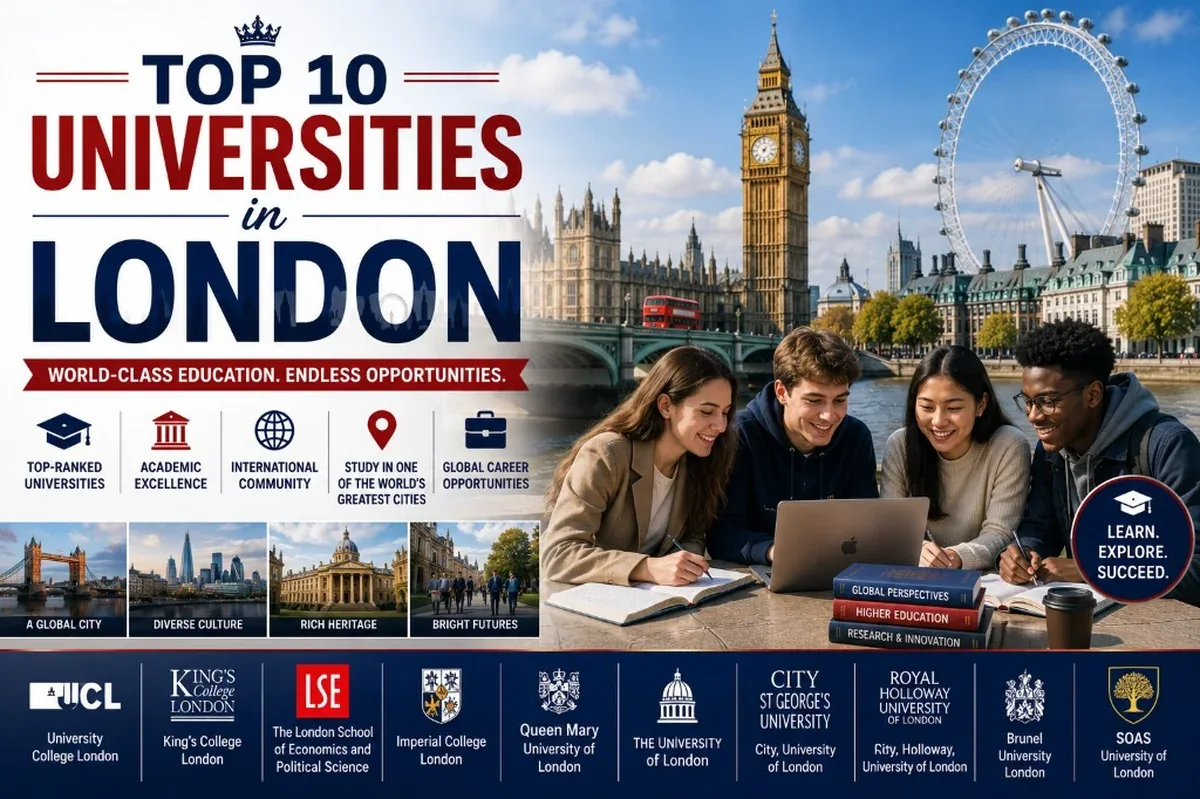
Top 10 Universities in London (2026 QS Rankings Guide)
The top 10 universities in London for 2026 ranked using QS World University Rankings: Imperial College London (#2 globally), UCL (#9), King's College London, LSE, and more.
Read the guide →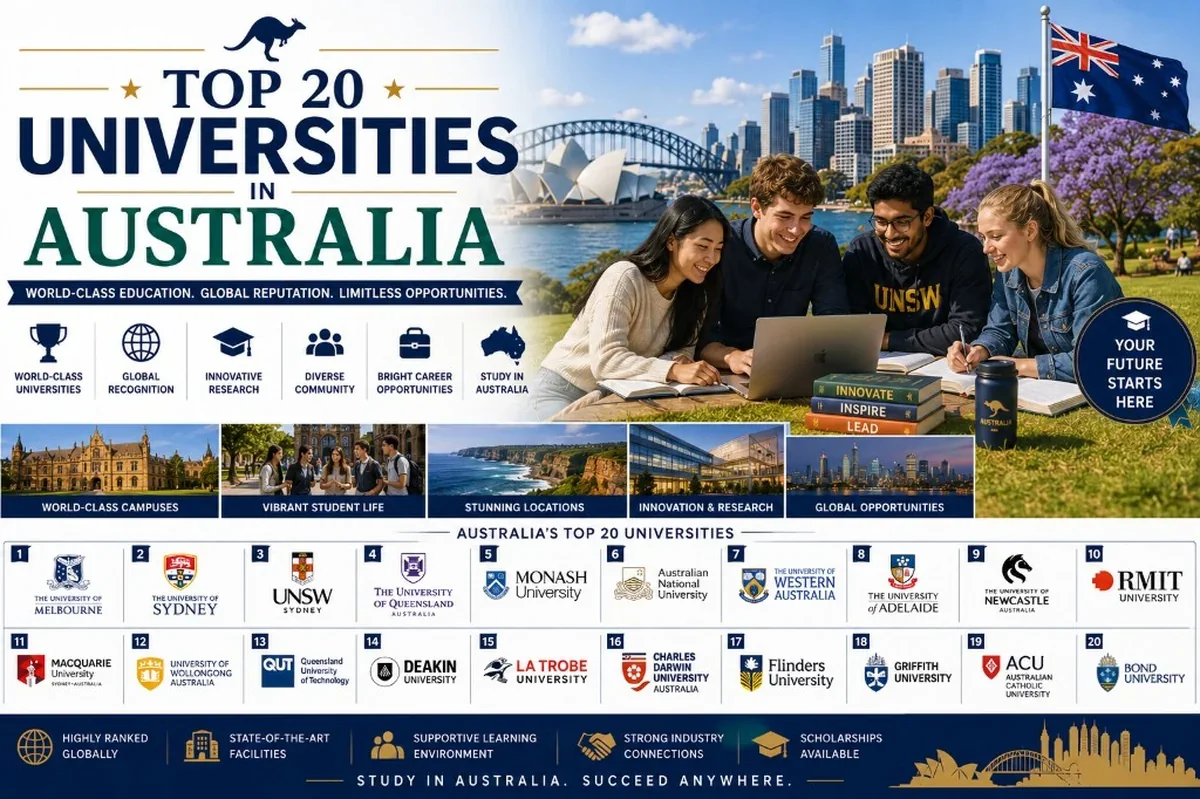
Top 20 Universities in Australia (2026 QS Rankings Guide)
Top 20 universities in Australia for 2026 using QS rankings: Melbourne, UNSW, Sydney, ANU, Monash, UTS and more with FAQs.
Read the guide →
Top 100 Universities in the World: 2026 QS Rankings & Admissions Guide
The top 100 universities in the world for 2026, ranked by QS. MIT, Imperial, Stanford, Oxford and more — countries, scores, and international admissions tips.
Read the guide →